
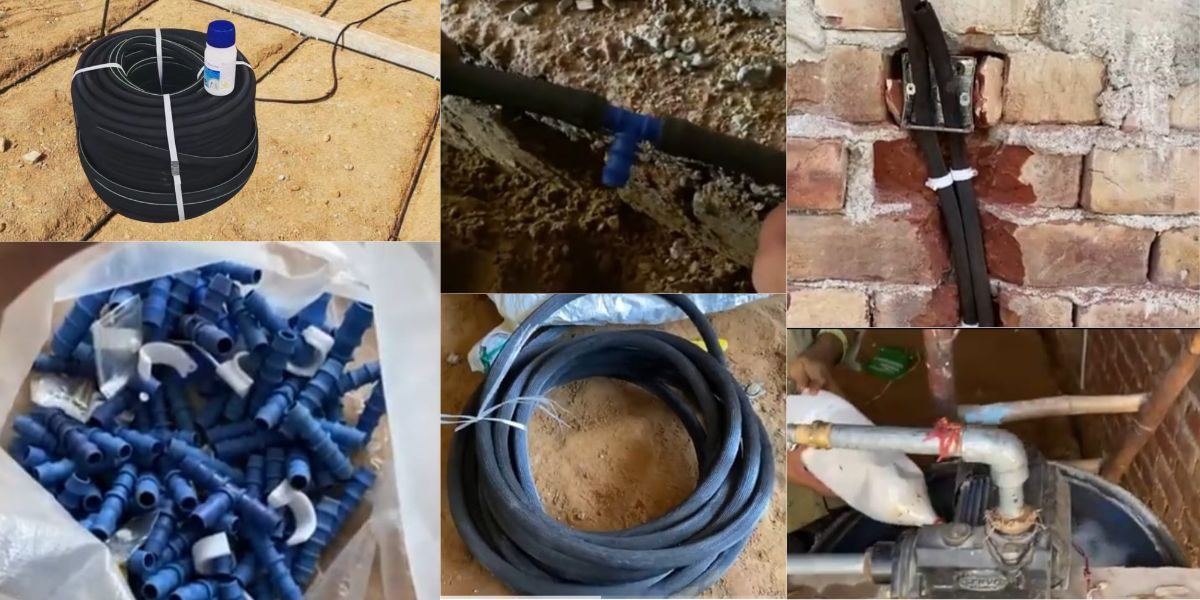
The materials used in Anti Termite Reticulation System directly determine how effectively your home stays protected from termite damage. If you are constructing a new house or planning pre-construction termite treatment, you must understand the exact components that make this underground piping system work efficiently. In this complete guide, we explain every essential material, how professionals install it, and why choosing high-quality components ensures long-term protection.
At DeemakRoko, we install advanced anti termite reticulation systems across India using premium-grade materials that meet industry standards.
What Is an Anti Termite Reticulation System?
An Anti Termite Reticulation System is an underground piping network installed beneath the flooring and around the building foundation during construction. This system distributes termiticide chemicals evenly into the soil to create a protective barrier against subterranean termites.
Instead of drilling floors repeatedly for chemical treatment, this system allows easy chemical refilling through a junction box installed outside the house.
You can review regulatory pesticide standards from the Central Insecticides Board & Registration Committee (CIBRC) in India.
Why the Right Materials Used in Anti Termite Reticulation System Matter
When you choose the correct materials used in Anti Termite Reticulation System, you:
Ensure uniform chemical distribution
Prevent underground pipe breakage
Increase system lifespan up to 40–50 years
Avoid leakage and clogging
Maintain consistent termite protection
Poor-quality materials can compromise the entire system and reduce protection efficiency.
Core Materials Used in Anti Termite Reticulation System
1. Porous Pipe – The Heart of the Reticulation System
The porous pipe forms the backbone of the system. Professionals typically use a 16mm diameter porous pipe made from high-strength rubber or fiber-based material.
Why Porous Pipe Is Essential
The porous pipe contains micro-perforations that release termiticide evenly into the soil. This uniform distribution creates a continuous chemical barrier beneath the structure.
Why You Should Avoid Standard PVC Pipes
Many installers wrongly use regular PVC pipes. However:
PVC pipes can crack under flooring pressure
Drilled holes create uneven chemical flow
Cement blocks the chemical release
Porous pipes resist pressure and maintain long-term durability. At DeemakRoko, we always use premium porous pipes designed for underground termite protection.
2. Pipe Connectors – Structuring the System
Connectors help create a continuous piping network beneath the foundation.
Types of Connectors Used
T Connectors
Elbow Connectors
Straight Joiners
Technicians use these connectors to design loop or grid layouts across the building foundation. Proper connector placement ensures complete coverage and eliminates untreated soil gaps.
3. Junction Box – Control and Refill Unit
The junction box serves as the system’s control point.
Key Functions of Junction Box
Installed outside the building
Allows safe chemical refilling
Connects pressure pump to the piping network
Protects internal system components
A durable junction box made from high-quality plastic or PVC ensures long-term usability.
4. PVC Inlet Pipe – Chemical Entry Channel
The PVC inlet pipe connects the junction box to the porous pipe network.
Importance of PVC Inlet Pipe
Transfers termiticide from pump to porous pipes
Handles injection pressure
Prevents leakage
Professionals select high-grade PVC that resists corrosion and pressure damage.
5. End Cap – Securing the System
The end cap seals the last point of the pipe network.
Why End Caps Are Important
Prevent chemical leakage
Maintain internal pressure
Protect system performance
Even a small leak can weaken termite protection, so proper sealing remains critical.
6. Sand Layer – Protective Buffer Around Pipes
After laying the pipes, technicians cover them with a sand layer before concrete flooring.
Why Sand Plays a Critical Role
Prevents cement from blocking pipe pores
Maintains soil permeability
Ensures smooth chemical dispersion
Without sand protection, cement can clog the porous pipe and reduce chemical flow.
7. Termiticide Chemical – The Active Protection Agent
The chemical solution acts as the active termite barrier.
Common Chemicals Used in India
Imidacloprid-based termiticides
Chlorpyrifos-based termiticides
Always use chemicals approved under Indian regulations. You can check safety and compliance standards from the Bureau of Indian Standards (BIS).
Professionals dilute the chemical correctly before injecting it into the system.
8. Pressure Pump – Uniform Distribution Tool
The pressure pump injects diluted termiticide into the piping network.
Benefits of Using a Professional Pressure Pump
Ensures even chemical flow
Maintains required injection pressure
Prevents wastage
Proper calibration ensures that the materials used in Anti Termite Reticulation System perform effectively.
Installation Tools Required for Proper Setup
Professionals use specific tools to install the system accurately:
Measuring tape
Pipe cutter
Shovel for trenching
DPC level marking tools
Chemical mixing containers
Correct installation ensures maximum termite protection.
Layout Design for Effective Termite Protection
Professionals design the reticulation system strategically.
Standard Installation Pattern
Along foundation walls
Around column bases
In grid pattern under floor area
Near bathrooms and kitchens
This layout creates a continuous chemical barrier under the entire structure.
Builders can also refer to recommendations from the National Building Code of India (NBC) for foundation safety standards.
Benefits of Using Premium Materials Used in Anti Termite Reticulation System
High-quality materials provide:
Long-term structural safety
Reduced maintenance costs
Easy future refilling
Even chemical dispersion
Protection against subterranean termite attacks
When you invest in durable materials, you protect your home’s foundation and wooden structures.
Common Mistakes to Avoid During Installation
Many property owners compromise protection due to avoidable mistakes:
Using regular PVC pipes instead of porous pipes
Skipping sand covering
Installing system on upper floors
Using non-approved chemicals
Poor connector sealing
Avoid these errors to ensure full system efficiency.
Why Choose DeemakRoko for Anti Termite Reticulation System Installation?
At DeemakRoko, we prioritize quality and precision. We:
Use certified materials
Follow Indian safety standards
Ensure uniform chemical coverage
Provide professional installation
Offer long-term service support
Our team specializes in pre-construction termite protection for residential and commercial projects across India.
Long-Term Impact of Using the Right Materials
When professionals install the materials used in Anti Termite Reticulation System correctly:
The system lasts up to 40–50 years
The structure remains termite-resistant
Maintenance becomes simple and cost-effective
Chemical refilling becomes quick and hassle-free
The system protects your investment and increases property durability.
Materials used in Anti Termite Reticulation System
Understanding the materials used in Anti Termite Reticulation System empowers homeowners, builders, and contractors to make informed decisions. Every component—from porous pipes and connectors to junction boxes and approved chemicals—plays a critical role in creating a long-lasting termite barrier.
When experts install the system correctly using premium materials, you eliminate the need for repeated drilling and reduce long-term repair expenses.
Choose quality materials. Choose professional installation. Choose long-term termite protection.
Contact DeemakRoko Today
Planning to build a new house? Protect it before termites attack.
Call 73143 44562 now to schedule professional Anti Termite Reticulation System installation or to purchase premium materials.
DeemakRoko – Strong Foundation. Zero Termite Tension.